As an AI trainer, I spend a lot of time encouraging people to explore what AI can do.
But I don't think using AI for every task should be the goal.
Sometimes, knowing when not to use AI is just as important as knowing how to use it.
Getting an answer doesn't mean the work is done

One thing I often remind people during AI training is that getting an answer from AI doesn't mean the work is finished.
AI can produce a professional-looking report, but we still need to understand the numbers behind it.
It can create a detailed training plan, but we still need to decide whether that plan will actually work for the audience.
And sometimes, the easiest thing is to ask AI to do the thinking for us.
That's what concerns me most. Not that AI is becoming more capable and take over the world (fear for another day), but that we might gradually stop questioning the answers it gives us.
What am I actually trying to improve?
I've started asking myself a simple question before using AI: What am I actually trying to improve?
If AI can help me organise complicated information, challenge an idea or save time on repetitive work, great.
But if I'm asking it to rewrite the same paragraph for the tenth time, or generate more ideas when I already have a good direction, am I really making progress?
I've been thinking about this in other parts of my life too.
A personal challenge
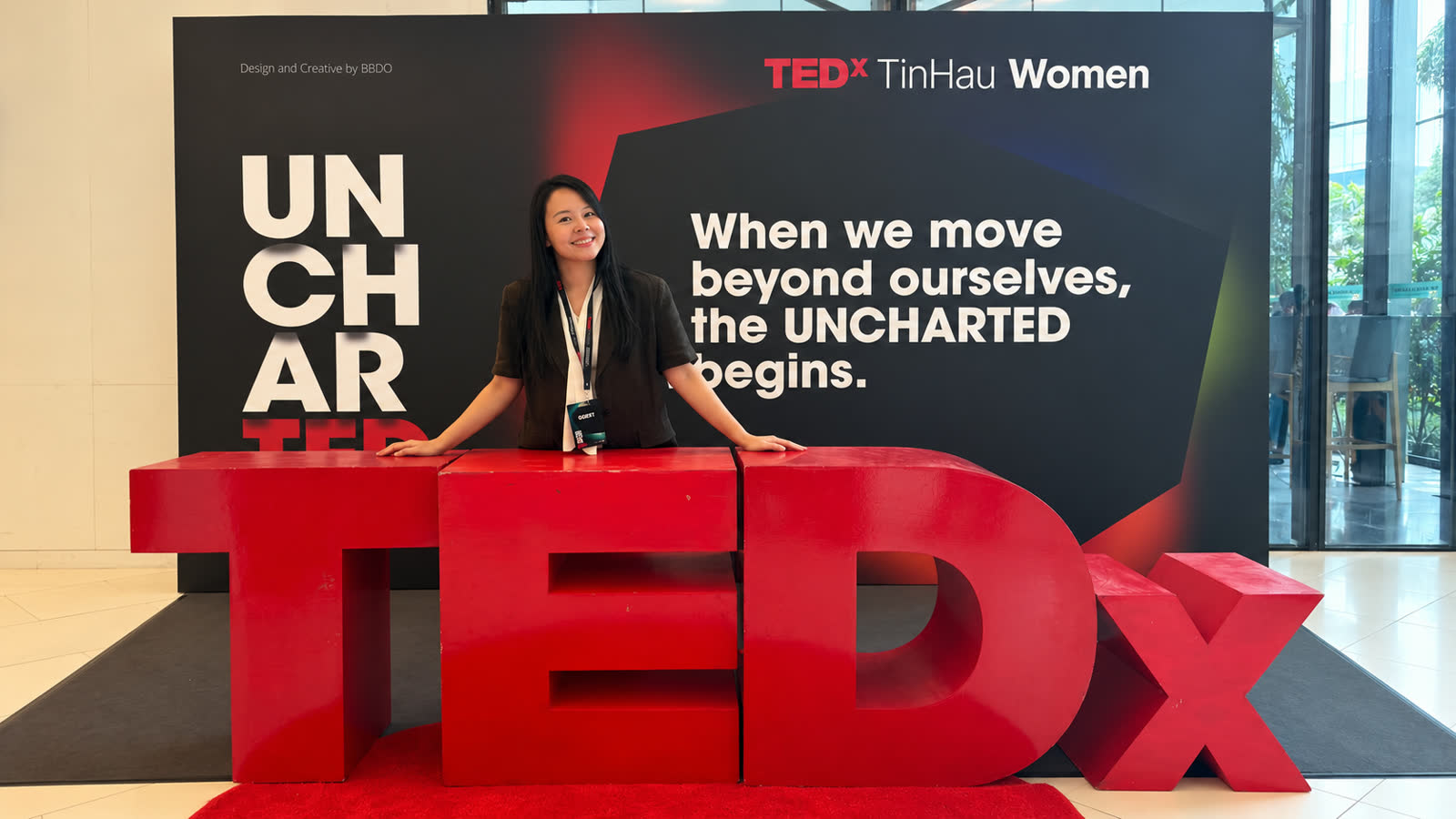
Running a one-person business means wearing many different hats. Some things I don't know how to do. Others, I honestly don't even want to do.
And if you know me, you'll know I'm an introvert.
I've managed to overcome my fear of public speaking. But small talk, especially at business networking events? That's still a struggle.
I find it awkward walking up to someone I don't know and starting a conversation.
So I have a personal growth tracker. Whenever I attend one of these events, I give myself one small goal:
Talk to three new people.
Just three.
It might not sound like much, but by the time I've done it, my social battery is pretty much empty.
Of course, AI could help me prepare. It could suggest conversation starters, help me practise introductions or give me tips on networking.
And I'd happily use it for those things.
But at some point, I still have to walk up to someone and start talking.
That's the part AI can't do for me. And perhaps that's the part I need most.
AI should help us grow, not help us avoid growing
I think the same applies to how we use AI at work.
Sometimes AI helps us do things we couldn't do before. Sometimes it gives us the confidence to try something unfamiliar.
But I don't want to become so comfortable with AI doing things for me that I stop developing the skills I need myself.
AI should help us grow, not become a way to avoid growing.
This is something I want to bring into my AI training as well.
Beyond teaching people what AI can do, I want to encourage them to think about when it genuinely helps, what they can learn from using it and which skills are still worth developing themselves.
Because successful AI adoption shouldn't just be measured by how many tasks we automate or how much time we save.
It should also be about whether we're becoming more capable, more confident and better at making decisions.
Exploring Copilot training for your team?
If you're exploring how Microsoft Copilot could support your team, I'd be happy to have a conversation.
I offer a free consultation for companies interested in Copilot corporate training. We can discuss your team's current workflows, challenges and goals, and explore what kind of training would be most useful for your organisation.
If you're interested, simply fill in the form on my contact page and I'll be in touch.
Book a Free Copilot Training Consultation
Eva | AI Trainer
Email: eva@missevai.com
WhatsApp: +852 9415 8658